
Why Kids Need a Break — An Argument to Send Them to Summer Camp
In a world that runs on endless notifications, likes, and social media feeds, summer camp offers something radical: time away from screens, time in nature, and time with other kids learning how to be, well, kids. Sending your kids to summer camp is more than a fun tradition; it’s an investment in their social, emotional, and physical development. 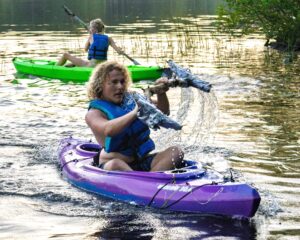
Unplugging matters
Multiple recent studies link high recreational screen use with increased emotional and behavioral difficulties in children and teens. When kids spend less time on screens and more time in active, social settings, several aspects of mental health improve including mood, attention, and overall well-being. Summer Camp provides an enforced, joyful break from screens so kids can re-learn imaginative play, emotional regulation, and in-person communication.
Green time is a real shield
Research comparing “screen time” with “green time” (time spent outdoors/in nature) shows consistent benefits from nature exposure: better mood, improved cognitive function, and even stronger academic outcomes. Nature doesn’t just replace screens, it offers experiences that actively build a camper’s resilience and self-regulation. Summer camp is one of the few structured environments where kids get hours of meaningful, supervised outdoor time every day. Recent research concluded that limiting social media use, even just for a week, can significantly reduce mental health symptoms in young adults.
Better social skills (in practice, not just theory!)
Camp is a social laboratory. With shared meals, group activities, cabin life, and supervised free time, campers get repeated, low-stakes opportunities to practice making friends, sharing leadership, and repairing misunderstandings. Those micro-moments might be as simple as negotiating rules in a game, resolving a disagreement, or deciding a lip-sync song. But these ‘practice’ opportunities to learn how to handle group dynamics add up into lasting social skills. The structure of camp means kids can try, fail, and try again in a safe context with caring counselors guiding them. This helps campers gain resilience and confidence, and leave camp feeling more connected to themselves and others.
Conflict resolution and independence
At home, conflicts with friends or siblings can feel high-stakes or quickly diffused by adults. At camp, under the watchful eye of our trained staff, kids learn direct conflict resolution skills: how to name feelings, negotiate fairly, and rebuild relationships. Camps also intentionally scaffold independence. At Quinebarge, campers choose their own activities, care for their own belongings, and are responsible for cleaning their cabins and activities. Our staff model responsibility and independence and allow campers to have autonomy, while maintaining clear adult oversight. The result is more confident kids who trust their own abilities.
Caring, trained staff who facilitate friendships
The ‘Magic of Camp’ comes from the people. ACA accredited camps, like Quinebarge, emphasize youth development, staff training, supervision, and intentional community-building. Quinebarge counselors aren’t just chaperones. They’re facilitators of friendship, role models, and steady supporters who teach kindness and guide social learning. That means kids aren’t simply left to “figure it out”. Quinebarge counselors teach social skills, model kindness, and step in when situations need adult guidance, while still giving campers ownership over their experience. At Camp Quinebarge, we prioritize safety, kindness, and connection. We help campers build friendships that become the highlight of their summer.
The activities are the happy bonus
Whether it’s canoeing, archery, drama, horseback riding, or late-night stargazing, activities create the shared moments that become the glue of friendships. These experiences provide natural contexts for collaboration and play. It’s the kind of joyful interactions that help campers feel a sense of belonging. Fun is important, but it’s also the vehicle through which kids learn teamwork, communication, and confidence.
How to choose a camp that delivers these benefits
When selecting a camp, families should look for:
- Trained, nurturing staff who understand youth development.
- Clear screen-free policies.
- A strong emphasis on relationships and community, not just activities.
- Safety-focused practices and accreditation.
- Intentional programming that helps kids grow socially and emotionally.
Camp Quinebarge brings all of this together. We’re proudly screen-free and focused on giving kids meaningful outdoor time, structured independence, and a community built on kindness and friendship. With caring, well-trained staff guiding every step, families can feel confident their child is growing, thriving, and truly happy in a safe and joyful environment. Summer camp is more than an escape from routine, it’s a concentrated experience where kids unplug, play, push themselves safely, and build relationships that often last far beyond August. At Quinebarge, children find what they don’t always get in their day-to-day lives: uninterrupted time in nature, genuine human connection, and a community that believes in their potential.
In an era of constant connectivity, giving children a screen-free stretch of time in a caring, intentional camp environment may be one of the most meaningful gifts we can offer. Interested in giving the ‘Gift of Camp’ to a child in your family? Enrollment for Summer 2026 is now open and filling quickly!